Co-organizers
BR/USA
Real Estate Forum
Inaugural Edition
Primeira Edição
November 19–21, 2026 · New York City
Supporting Partners
Institutional Partners
Scroll to explore Role para explorar
01 — Why This Forum
01 — Por Que Este Fórum

One of the world's largest
real estate markets,
hard to read from abroad.

Um dos maiores mercados
imobiliários do mundo,
difícil de ler de fora.

Foreign money keeps arriving in Brazil. Very little of it reaches real estate, and global institutions own almost none of the market.

O capital estrangeiro continua chegando ao Brasil. Muito pouco dele chega ao mercado imobiliário, e as instituições globais quase não têm participação no setor.

~US$ 8.8 tri
Brazilian Real Estate Market ValueValor do Mercado Imobiliário Brasileiro
One of the largest in the world. The scale is there — but global capital doesn't see it.
Um dos maiores do mundo. A escala existe — mas o capital global não enxerga.
Statista 2025
5º
Largest FDI Recipient GloballyMaior Receptor de IED Global
US$ 65.9 billion in 2024. The money flows in — but almost none of it goes to real estate.
US$ 65,9 bilhões em 2024. O dinheiro entra — mas quase nada vai para o mercado imobiliário.
UNCTAD 2024
<2%
Share of Global RE MarketParticipação no Mercado Global de RE
Disproportionate to the size of the 8th largest economy in the world. A legibility problem, not a scale problem.
Desproporcional ao tamanho da 8ª maior economia do mundo. Um problema de legibilidade, não de escala.
JLL, MSCI 2024
3M+
Brazilian REIT InvestorsCotistas de FIIs no Brasil
72.9% held by retail investors. Marginal foreign institutional presence.
72,9% nas mãos de pessoas físicas. Presença institucional estrangeira marginal.
B3 · 2026
02 — The Shift
02 — A Virada

The plumbing is being rebuilt — right now.

O encanamento está sendo trocado — agora.

Brazil's real estate credit only crossed 10% of GDP in 2025. In the US, mortgage debt across all property types stands near 70%. The gap is not demand — it is funding structure. And that structure just started to change.

O crédito imobiliário brasileiro só cruzou 10% do PIB em 2025. Nos EUA, a dívida hipotecária de todos os tipos de imóvel beira 70%. O gap não é demanda — é estrutura de funding. E essa estrutura acabou de começar a mudar.

10%
BR real estate credit / GDPCrédito imobiliário BR / PIB
Crossed 10% in 2025 — up from ~2% in 2007.
Cruzou 10% em 2025 — ante ~2% em 2007.
Banco Central do Brasil · 2025
~70%
US real estate credit / GDPCrédito imobiliário EUA / PIB
US$ 21.6 trillion in mortgage debt outstanding, Q4 2025: residential, multifamily, commercial and farm.
US$ 21,6 trilhões em hipotecas, T4 2025: residencial, multifamily, comercial e rural.
Federal Reserve Z.1 (L.217) · BEA · 2025
This conversation is Panel 2 — Capital Stack: US vs. Brazil. → Essa conversa é o Painel 2 — Capital Stack: EUA vs. Brasil. →
25% 35% 45% 2021 2023 2024 2025 44% 29% CROSSOVER · 2023
Market instruments (LCI + CRI + LIG + FII)Instrumentos de mercado (LCI + CRI + LIG + FII)
Savings deposits (poupança)Poupança
ABECIP · 2025

In 2023, for the first time, capital-markets instruments overtook savings deposits as the largest source of real estate funding in Brazil. By 2025 they supply ~44% of the funding structure. The October 2025 savings reform accelerates the convergence toward the US model — where 64% of mortgage debt is funded through capital markets.

Em 2023, pela primeira vez, os instrumentos de mercado de capitais ultrapassaram a poupança como maior fonte de funding imobiliário no Brasil. Em 2025 já respondem por ~44% da estrutura. A reforma da poupança de outubro de 2025 acelera a convergência rumo ao modelo americano — onde 64% da dívida hipotecária é financiada via mercado de capitais.

ABECIP 2025 · Urban Institute / Federal Reserve Q4 2025
03 — The Missing Asset Class
03 — A Classe de Ativo que Falta

The asset institutional capital knows best doesn't exist in Brazil yet.

O ativo que o capital institucional mais domina ainda não existe no Brasil.

Multifamily is the largest traditional property type in the US institutional universe. In Brazil, rental housing is not yet an asset class: ownership is fragmented, retail-held, and unread by institutions. The gap is the opportunity.

Multifamily é a maior classe imobiliária tradicional do universo institucional americano. No Brasil, moradia para renda ainda não é uma classe de ativo: a propriedade é fragmentada, de varejo e ilegível para instituições. O gap é a oportunidade.

US United StatesEstados Unidos Established asset classClasse consolidada
US$ 2.6 T
Institutional apartment valueValor institucional em apartamentos
22.5% of the US institutional RE universe — the largest traditional sector.
22,5% do universo institucional de RE dos EUA — o maior setor tradicional.
Clarion / Rosen Consulting · 2025
US$ 146 B
Apartments traded in 2024 aloneApartamentos transacionados só em 2024
MSCI Real Assets · 2024
BR BrazilBrasil Not yet an asset classAinda não é classe
~14,000
Institutional rental units nationwideUnidades institucionais de renda no país
Under 0.1% of Brazil's rental market.
Menos de 0,1% do mercado de aluguel brasileiro.
Newmark · 2025
72.9%
Retail ownership of listed RE funds (FIIs)Participação de pessoa física nos FIIs listados
Income real estate held by individuals, not institutions — the inverse of the US model.
Renda imobiliária na mão de pessoas físicas, não de instituições — o inverso do modelo americano.
B3 · Dez 2025
This conversation is Panel 5 — From Selling Units to Owning Income, with Greystar Brazil in the room. → Essa conversa é o Painel 5 — De Vender Unidades a Deter Renda, com a Greystar Brazil na sala. →
04 — The Opportunity
04 — A Oportunidade

Bridging Brazil to the world's
most mature RE market.

Conectando o Brasil ao mercado
imobiliário mais maduro do mundo.

We are bringing 80 hand-picked leaders of Brazilian real estate — CEOs, CIOs, developers, and fund managers — to New York to learn from, and exchange with, the professionals who set the global standard in governance, capital structuring, and institutional transparency. Co-organized by Responsive Cities Institute (OSPA) and NYU Schack Institute of Real Estate, the forum is where Brazil's real estate market begins to speak the language that global capital understands.

Estamos levando 80 líderes selecionados do mercado imobiliário brasileiro — CEOs, CIOs, incorporadores e gestores de fundos — a Nova York para aprender e trocar experiências com os profissionais que definem o padrão global em governança, estruturação de capital e transparência institucional. Co-organizado pelo Instituto Cidades Responsivas (OSPA) e pelo NYU Schack Institute of Real Estate, o fórum é onde o mercado imobiliário brasileiro começa a falar a linguagem que o capital global entende.

80
Senior LeadersLíderes Seniores
5
PanelsPainéis
2
MarketsMercados

This is the inaugural edition. We plan to grow to 150+ attendees by 2027 and establish the forum as the annual reference point for cross-border real estate between Brazil and the United States.

Esta é a edição inaugural. O plano é crescer para mais de 150 participantes em 2027 e consolidar o fórum como a referência anual em real estate transfronteiriço entre Brasil e Estados Unidos.

05 — New York Week
05 — Semana NY

Three days.
One ecosystem.

Três dias.
Um ecossistema.

The Forum anchors a concentrated week of real estate programming in New York. Partners gain visibility across the entire program — not just one event.

O Fórum ancora uma semana concentrada de programação imobiliária em Nova York. Parceiros ganham visibilidade ao longo de todo o programa — não apenas em um evento.

Separate EventEvento Separado
Nov 19 · ThursdayQuinta
NYU Capital Markets Conference
NYU Schack's annual capital markets conference.
A conferência anual de mercado de capitais do NYU Schack.

EditionEdição 59th Annual Conference on Capital Markets in Real Estate
FormatFormato Full-day · panels, keynotes, networking Dia inteiro · painéis, keynotes, networking
AccessAcesso Paid ticket, not included in the forum · Forum attendees receive a discount Ingresso pago, não incluído no fórum · participantes do Forum recebem desconto
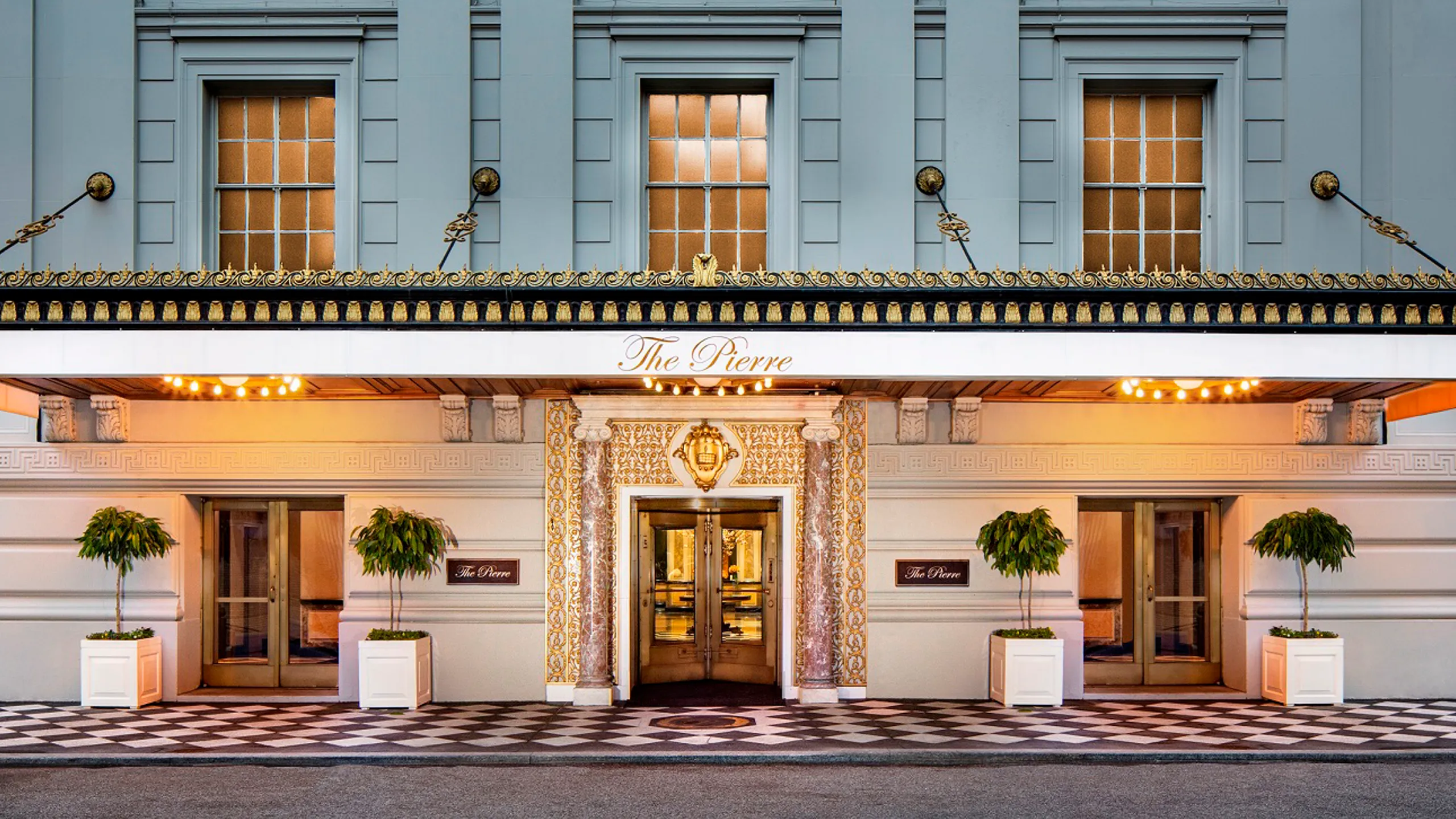
Venue The Pierre, A Taj Hotel — 2 E 61st St, NYC
Get tickets → Comprar ingresso →
Main EventEvento Principal
Nov 20 · FridaySexta
BR/USA Real Estate Forum
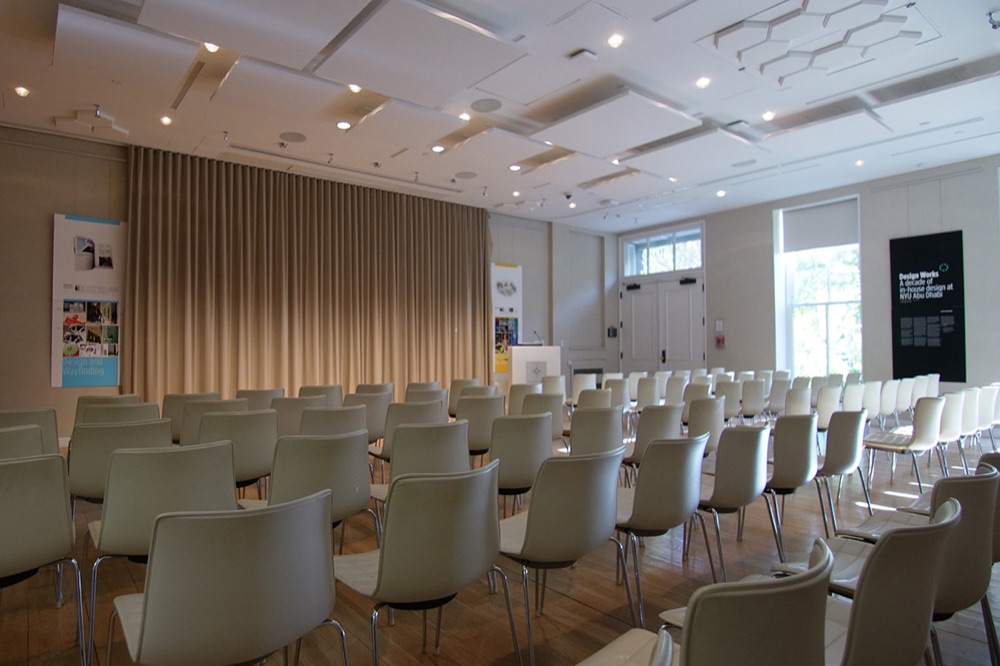
Full-day program at NYU Schack.
Programa de dia inteiro no NYU Schack.

01 —Reading a Market: Country, Land, DealLer um Mercado: País, Terra, Deal
02 —Capital Stack: US vs. BrazilCapital Stack: EUA vs. Brasil
03 —Public/Private DevelopmentDesenvolvimento Público/Privado
04 —Subsidy and Capital: Affordable HousingSubsídio e Capital: Habitação Acessível
05 —From Selling Units to Owning IncomeDe Vender Unidades a Deter Renda
Scroll to reveal the program
Role para ver o programa
Nov 21 · SaturdaySábado
Site VisitsVisitas Técnicas
Curated visits to marquee NYC developments.
Visitas curadas a empreendimentos de destaque em NYC.

One Vanderbilt — Midtown
TBD — Affordable housing developmentA definir — Empreendimento habitacional
TBD — Public–private development siteA definir — Projeto público–privado
NYU Schack Institute of Real EstateNYU Schack Institute of Real Estate
RegistrationCredenciamento
8:30 – 9:00
Registration & Coffee
Credenciamento e Café
Foyer · NYU Schack
OpeningAbertura
9:00 – 9:15
Opening Remarks
Abertura Institucional
Marc Norman
Marc NormanNYU Schack · DeanNYU Schack · Dean
Rodrigo Rocha
Rodrigo RochaOSPA · PartnerOSPA · Sócio
KeynoteKeynote
9:15 – 9:30
The Urban Condition
A Condição Urbana
Land rules set the cost and the risk of building long before anything is drawn. Fifteen minutes on how regulation and land prices decide what a city can become.As regras do solo definem o custo e o risco de construir muito antes de qualquer desenho. Quinze minutos sobre como regulação e preço da terra decidem o que uma cidade pode se tornar.
Alain Bertaud
Alain BertaudMercatus Center · KeynoteMercatus Center · Keynote
Panel 1Painel 1
9:30 – 10:20
Reading a Market: Country, Land, Deal
Ler um Mercado: País, Terra, Deal
Global capital reads a deal in three layers: the country, the land under it, and the contract itself. Brazil answers the first and goes quiet on the other two. What would an investor need to see on the page?O capital global lê um deal em três camadas: o país, a terra embaixo dele e o contrato em si. O Brasil responde a primeira e silencia nas outras duas. O que um investidor precisaria enxergar no papel?
Shawn Amsler
Shawn AmslerAmsler Advisors · ModeratorAmsler Advisors · Moderador
BreakIntervalo
10:20 – 10:40
Coffee Break
Coffee Break
Panel 2Painel 2
10:40 – 11:30
Capital Stack: US vs. Brazil
Capital Stack: EUA vs. Brasil
The capital stacks behind a US deal and a Brazilian one still look very different in cost, in tenor, and in who sits at each layer. A direct comparison of how both are built today, and what is starting to shift as global allocators look south.O capital stack por trás de um deal americano e de um brasileiro ainda é muito diferente em custo, em prazo e em quem ocupa cada camada. Uma comparação direta de como os dois se montam hoje, e o que começa a mudar à medida que alocadores globais olham para o Sul.
Rodrigo Machado
Rodrigo MachadoGalapagos Capital · PartnerGalapagos Capital · Sócio
Brenner Cavalcante
Brenner CavalcanteBB Americas · Chief Lending OfficerBB Americas · Chief Lending Officer
PresentationApresentação
11:30 – 12:00
One Vanderbilt: The Tower and the Terminal
One Vanderbilt: a Torre e o Terminal
KPF walks through One Vanderbilt, the tower next to Grand Central: how it was developed, the air rights that made it possible and the MTA partnership that traded extra floor area for transit improvements.A KPF apresenta o One Vanderbilt, a torre ao lado da Grand Central: como foi o desenvolvimento, os air rights que a tornaram possível e a parceria com a MTA, que trocou área construída extra por melhorias no transporte público.
Georgina Lalli
Georgina LalliKPF · Managing DirectorKPF · Managing Director
PresentationApresentação
12:00 – 12:30
Case Study: To Be Announced
Estudo de Caso: a confirmar
BreakIntervalo
12:30 – 14:00
Lunch
Almoço
Plated lunch · NYU Schack
Almoço servido · NYU Schack
Panel 3Painel 3
14:00 – 14:50
Public/Private Development
Desenvolvimento Público/Privado
Public land, public infrastructure and private execution have to close inside a single transaction. How New York structures those deals, who carries which risk, and what still holds twenty years in.Terra pública, infraestrutura pública e execução privada precisam fechar numa única transação. Como Nova York estrutura esses acordos, quem carrega cada risco e o que ainda se sustenta vinte anos depois.
Matthew Kwatinetz
Matthew KwatinetzNYU Schack · ModeratorNYU Schack · Moderador
Panel 4Painel 4
14:50 – 15:40
Subsidy and Capital: Affordable Housing
Subsídio e Capital: Habitação Acessível
In the US, building the unit and paying the rent are separate businesses. Tax credit equity puts the building up, a voucher carries the rent, and a regulatory agreement holds the price for decades. That machinery is why subsidized rental became an asset class there. What has to exist for private capital to buy affordable housing as an asset rather than an obligation?Nos EUA, quem constrói a unidade e quem paga o aluguel são partes separadas. Crédito fiscal levanta o prédio, um voucher sustenta a renda e um contrato regulatório trava o preço por décadas. É essa engenharia que fez do aluguel subsidiado uma classe de ativo lá. O que precisa existir para o capital privado comprar habitação acessível como ativo, e não como obrigação?
Marc Norman
Marc NormanNYU Schack · DeanNYU Schack · Dean
BreakIntervalo
15:40 – 15:55
Coffee Break
Coffee Break
Panel 5Painel 5
15:55 – 16:45
From Selling Units to Owning Income
De Vender Unidades a Deter Renda
Brazil builds to sell. The income model asks the same developer to keep the building, operate it and report on it for decades. That is a different company, not a different product. What the shift costs in capital, in operations and in reporting.O Brasil constrói para vender. O modelo de renda pede que o mesmo incorporador fique com o prédio, opere e preste contas por décadas. Isso é outra empresa, não outro produto. O que essa transição custa em capital, operação e reporting.
Anthony Russo
Anthony RussoCSFG · Managing PrincipalCSFG · Managing Principal
Douglas Strabelli
Douglas StrabelliSagewood Corporation · Founder & CEOSagewood Corporation · Fundador & CEO
ClosingEncerramento
16:45 – 17:00
Closing Remarks
Encerramento
CocktailCocktail
17:00
Cocktail
Cocktail
Optional, by sign-up
Opcional, por adesão
Register
Inscreva-se

Secure your seat.

Garanta sua vaga.

November 19–21, 2026 · NYU Schack Institute of Real Estate · Invite-only · 80 seats.

19–21 de novembro de 2026 · NYU Schack Institute of Real Estate · Somente por convite · 80 vagas.

Request InvitationSolicitar Convite
06 — Venues
06 — Locais

Two stages.
One city.

Dois palcos.
Uma cidade.

Day One
Dia Um
Thu, November 19
Qui, 19 de Novembro
Day Two
Dia Dois
Fri, November 20
Sex, 20 de Novembro
Day Three · Site Visits
Dia Três · Site Visits
Curated tour of NYC
Tour curado por NYC
Accommodation
Hospedagem
Where to Stay
Onde Ficar
Day 1Dia 1
Nov 1919 Nov
Day 2Dia 2
Nov 2020 Nov
Day 3Dia 3
Nov 2121 Nov
HotelsHotéis
Where to StayOnde Ficar
NYU Abu Dhabi House
BR/USA Real Estate Forum
NYU Abu Dhabi House
19 Washington Square North, New York
The Pierre, A Taj Hotel
NYU Capital Markets Conference
The Pierre, A Taj Hotel
2 East 61st Street, New York
Day Three · Nov 21Dia Três · 21 Nov
Site VisitsVisitas Técnicas
Around New YorkPela cidade de Nova York
One Vanderbilt Midtown East, by Grand CentralMidtown East, ao lado da Grand Central
Affordable housing developmentDesenvolvimento habitacional
Public-private development siteProjeto público-privado
Where to StayOnde Ficar
1
2
3
4
Select a hotelSelecione um hotel
Click a marker on the mapClique em um marcador no mapa
Co-organizers
BR/USA
Real Estate Forum
Inaugural Edition
Primeira Edição
See you in New York. Te vejo em Nova York.
November 19–21, 2026 · New York City
Supporting Partners
Institutional Partners
Request InvitationSolicitar Convite